Showing posts with label Jake Lawson. Show all posts
Showing posts with label Jake Lawson. Show all posts
Saturday, 8 April 2017

Thursday, 6 April 2017
Wednesday, 5 April 2017
Evaluation Question 6: What have you learnt about technologies from the process of constructing this product?
Evaluation Question 6 – What have you learnt about technologies
from the process of constructing this product?
 During the planning of our media product, we used several
sources that allowed use to plan and understand Psychological Thrillers. We
used IMD8 that provided numerous ideas
for the creation of our film. This is because it gave our group information on similar
genres to our film idea, as a result, It improved our general understanding. We
also used Rotten Tomatoes as a second source of information as it provided
knowledge of audiences regarding to different plots, this then allowed us to
create a product that would suite our target audience in best possible way. We
presented our work in Blogger which allowed us to clearly organise and display
our work in a professional way as well as it making it easy to look back at
previous work that could help
During the planning of our media product, we used several
sources that allowed use to plan and understand Psychological Thrillers. We
used IMD8 that provided numerous ideas
for the creation of our film. This is because it gave our group information on similar
genres to our film idea, as a result, It improved our general understanding. We
also used Rotten Tomatoes as a second source of information as it provided
knowledge of audiences regarding to different plots, this then allowed us to
create a product that would suite our target audience in best possible way. We
presented our work in Blogger which allowed us to clearly organise and display
our work in a professional way as well as it making it easy to look back at
previous work that could help 
 For pre-production, we used Celtex as a cheap and effective form of writing a script. At first, it was difficult to understand, as there are many functions that we were not familiar with, before using it. However, after using it for some time, we became more experienced with the software, where we were now able to write a script without taking too much time. As well
as this, we also had access to numerous templates within Microsoft word that
gave us an idea of how to set out different posts such as the risk assessment
and the shot list. This made it a quicker and easier process to publish posts which
gave us the possibility to focus on content rather than presentation.
For pre-production, we used Celtex as a cheap and effective form of writing a script. At first, it was difficult to understand, as there are many functions that we were not familiar with, before using it. However, after using it for some time, we became more experienced with the software, where we were now able to write a script without taking too much time. As well
as this, we also had access to numerous templates within Microsoft word that
gave us an idea of how to set out different posts such as the risk assessment
and the shot list. This made it a quicker and easier process to publish posts which
gave us the possibility to focus on content rather than presentation.
 In terms of the production of our film, we used a Panasonic
HC V270 camera to film all of our clips. We felt that this camera was perfect
for what we had to film as the scenes appeared high quality despite the camera
not being of a high cost. The only problem that we faced, as a group, is that
only having a single camera was a difficult and more time consuming method as
we had to perform a scene multiple times for whenever we required to change
angles. Therefore, it was harder to keep continuity within our scenes. When it
came to editing the clips, at first, it was difficult to understand the functions
of Adobe Premier Pro as it had many options in which we could edit the film.
However, this was a brilliant tool to use as, once we had a better
understanding, it proved to be vital in the production of our film when putting
all the clips together.
In terms of the production of our film, we used a Panasonic
HC V270 camera to film all of our clips. We felt that this camera was perfect
for what we had to film as the scenes appeared high quality despite the camera
not being of a high cost. The only problem that we faced, as a group, is that
only having a single camera was a difficult and more time consuming method as
we had to perform a scene multiple times for whenever we required to change
angles. Therefore, it was harder to keep continuity within our scenes. When it
came to editing the clips, at first, it was difficult to understand the functions
of Adobe Premier Pro as it had many options in which we could edit the film.
However, this was a brilliant tool to use as, once we had a better
understanding, it proved to be vital in the production of our film when putting
all the clips together.Monday, 3 April 2017
Evaluation 5: How did you attract/address your audience?
How did you attract/address your audience?

We, as a group, discovered that we had successfully addressed
our audience as our post-production survey revealed that a significant majority
felt the genre of our film was a psychological thriller. As a result, we have
addressed our target audience successfully as our production can be
successfully identified as the drama we initially intended. This is show in the
graph as 8 out of 15 felt our film was a psychological thriller whilst only 3
people thought it was a horror film, this being a lower percentage of people
than our last survey which demonstrates the importance of feedback and how we
adjusted, making changes accordingly.
 In terms of the certificate of our film, we received results
that showed that a majority of people felt that the film was an 18+ as 8 out of
15 answered in this way. However, 5 out of 15 felt it was a 16+ but we were not
concerned about this result as only a short amount of the clip was show and
this particular scene didn’t reflect the certificate given. This is because
showing this specific clip allowed us to ask a slightly younger audience on
their thoughts on the clip to get a wider view in our questionnaire.
In terms of the certificate of our film, we received results
that showed that a majority of people felt that the film was an 18+ as 8 out of
15 answered in this way. However, 5 out of 15 felt it was a 16+ but we were not
concerned about this result as only a short amount of the clip was show and
this particular scene didn’t reflect the certificate given. This is because
showing this specific clip allowed us to ask a slightly younger audience on
their thoughts on the clip to get a wider view in our questionnaire.
When asking the audience what emotion was felt when watching
the clip, it identified that we had successfully produced our film as 11 out of
15 felt they were scared or anxious, which is our aim as the producers of the
film. However, when we asked the 15 people whether they would go and see the
film wasn’t as successful as only 7 said they would go and watch the film
whilst 5 were undecided. As a group, these results are vital to analyse as they
drive us to improve our project, this would attract and address our audience as
the film would be more interesting for people to watch. Despite not having 100%
positive feedback, we seek to improve our project such as adding darker filters
to our clips as well as using a larger range of filming techniques, for
example, graphic matches to create smoother and more effective transitions.

Saturday, 1 April 2017
Thursday, 30 March 2017
Wednesday, 29 March 2017
Tuesday, 28 March 2017
Evaluation Question 1: In what ways does your media project use, develop or challenge forms and conventions of real media products?
In what ways does your media project use, develop or challenge forms and conventions of real media products?

 The plot of our film involves the finding of a body by a group of 3 teens, Charlie, Gemma and Tom. Gemma and Tom are considerable normal and are characters who would be seen as typical and ordinary. However, Charlie is displayed to be more of a disturbing, unusual character, who has a strange obsession with a lighter. This is displayed from the start to show the lighter has significance in the storyline and can be portrayed as a representation of Charlie as he has a lighter during most of the scenes. Charlie, is later found to be a psychopath after the event of finding the body when with Tom and Gemma. This causes the plot to change significantly as he begins to have a further obsession with his lighter and a more obvious interest in dark subjects such as murder and death. This is a display of how out of the ordinary circumstances can take place and change how people perceive certain subjects and causes them to be shown differently in the film. Our film uses forms and conventions of real media products such as in Fight Club, Tyler, is later revealed to have a mental illness that causes a significant change in the plot and is perceived differently.
 In our story, there are subtle signs of Charlie's dangerous side such as him not being phased by the discovery of the body and the lack of expression. This links to our title design as it is discrete and brief which is a representation of Charlie, as he creates a sense mystery and intrigue whilst at the same, lacks distinguishing characteristics apart from the lighter references. The little information combined with the non-dietetic music is designed to create tension and uncertainty, the lighter is used in most scenes to have a continuous level of suspense, caution and anticipation around Charlie. This is, to an extent, like other media products with the scene of mystery of other characters but, in most films similar to ours, have more clear features and display characters in a more obvious way, unlike ours which lacks information.

 For the character of Charlie, we intentionally dress him in darker clothing to portray his dark side as well as his strange characteristics. This is done because of the lack of narrative Charlie has so the audience would require alternate information to understand, what is little revealed, of Charlie's character. The lighter is used in this particular scene to show his impatience and aggressive nature. These traits are commonly used in psychological thrillers as they are stereotypical of mentally unstable characters.
 The other characters within our film are demonstrated to have a close, comfortable relationship whilst Charlie is shown to be distant and quiet. This is shown through this medium close-up shot as Gemma and Tom are shown a close bond, further emphasising Charlie's isolation. Despite Charlie having more screen time than all of the characters, his lack of dialogue is to demonstrate his lack of social skills.
 In the last scene, when the body is discovered, we used significantly more close ups to show the shock and the change of mood amongst the characters. It was also to show emphasis on the lack of panic and his interest in the body. Charlie instead shows a no hesitation to investigate, to find the blood is "still warm" and he says "I think I knew her" to add further mystery. This is demonstrated through fast-paced editing and intense non diegetic music to impose discomfort on the audience which is very commonly used in thriller films. The use of diegetic sounds of birds in the background are to demonstrate the regular day that the teens planned to only find a plot-twisting discovery that will change the storyline. More close ups are then used to show the increasing concerns of Gemma and Tom for both the discovery of the body and the intrigue that Charlie displays.


 The plot of our film involves the finding of a body by a group of 3 teens, Charlie, Gemma and Tom. Gemma and Tom are considerable normal and are characters who would be seen as typical and ordinary. However, Charlie is displayed to be more of a disturbing, unusual character, who has a strange obsession with a lighter. This is displayed from the start to show the lighter has significance in the storyline and can be portrayed as a representation of Charlie as he has a lighter during most of the scenes. Charlie, is later found to be a psychopath after the event of finding the body when with Tom and Gemma. This causes the plot to change significantly as he begins to have a further obsession with his lighter and a more obvious interest in dark subjects such as murder and death. This is a display of how out of the ordinary circumstances can take place and change how people perceive certain subjects and causes them to be shown differently in the film. Our film uses forms and conventions of real media products such as in Fight Club, Tyler, is later revealed to have a mental illness that causes a significant change in the plot and is perceived differently.

 For the character of Charlie, we intentionally dress him in darker clothing to portray his dark side as well as his strange characteristics. This is done because of the lack of narrative Charlie has so the audience would require alternate information to understand, what is little revealed, of Charlie's character. The lighter is used in this particular scene to show his impatience and aggressive nature. These traits are commonly used in psychological thrillers as they are stereotypical of mentally unstable characters.
 The other characters within our film are demonstrated to have a close, comfortable relationship whilst Charlie is shown to be distant and quiet. This is shown through this medium close-up shot as Gemma and Tom are shown a close bond, further emphasising Charlie's isolation. Despite Charlie having more screen time than all of the characters, his lack of dialogue is to demonstrate his lack of social skills.
 In the last scene, when the body is discovered, we used significantly more close ups to show the shock and the change of mood amongst the characters. It was also to show emphasis on the lack of panic and his interest in the body. Charlie instead shows a no hesitation to investigate, to find the blood is "still warm" and he says "I think I knew her" to add further mystery. This is demonstrated through fast-paced editing and intense non diegetic music to impose discomfort on the audience which is very commonly used in thriller films. The use of diegetic sounds of birds in the background are to demonstrate the regular day that the teens planned to only find a plot-twisting discovery that will change the storyline. More close ups are then used to show the increasing concerns of Gemma and Tom for both the discovery of the body and the intrigue that Charlie displays.


Monday, 27 March 2017
Sunday, 26 March 2017
Different Types of Editing in Psychological Thrillers
Different types of editing used in Psychological Thrillers
Montage- the technique of selecting, editing, and putting together separate clips of film to form a continuous whole. This is usually used to show a progressive build of suspense or create an overview of what is going to happen.
Fast-paced editing- Fast-paced editing is a film editing technique which refers to several consecutive shots that are usually 3 seconds or less. This can be used to convey high levels of suspense or a chase scene in a psychological thriller.
Flashback- This is when, during a scene, a character has thoughts about a significant time in their life or a scene that has importance, specific to the storyline. This would happen in a psychological thriller when they look back on dark times or when times were better than they are currently.
Jump cut- This is a type of editing that involves an abrupt transition from one scene to another. This would happen in a Psychological Thriller with an intention to disorientate the viewers or scare the audience when something appears suddenly or moves unnaturally on the screen. The example given shows numerous jump cuts.
Montage- the technique of selecting, editing, and putting together separate clips of film to form a continuous whole. This is usually used to show a progressive build of suspense or create an overview of what is going to happen.
Fast-paced editing- Fast-paced editing is a film editing technique which refers to several consecutive shots that are usually 3 seconds or less. This can be used to convey high levels of suspense or a chase scene in a psychological thriller.
Flashback- This is when, during a scene, a character has thoughts about a significant time in their life or a scene that has importance, specific to the storyline. This would happen in a psychological thriller when they look back on dark times or when times were better than they are currently.
Jump cut- This is a type of editing that involves an abrupt transition from one scene to another. This would happen in a Psychological Thriller with an intention to disorientate the viewers or scare the audience when something appears suddenly or moves unnaturally on the screen. The example given shows numerous jump cuts.
Possible Distributors for our Psychological Thriller project - Additional Research
Possible Distributor for our Psychological Thriller Project - Warp Films
- Warp Films are an independent UK film company that are based in Sheffield as well as London and have a sister Company based in Melbourne, Australia.
- They have created many films such as submarine, Four lions, This Is England and 71’
- Warp Films were established by Rob Mitchell and Steve Beckett and after the death of Rob Mitchell in 2001, Beckett decided to continue with Warp Films and enlisted the expertise of his Sheffield friend, Mark Herbert .
- The film company is known for attracting smaller demographic, which is more appropriate for our film as Psychological Thrillers are not a mainstream film. They have a limitation to potential target audiences unlike comedy or action films.
- As a group, we felt a ‘Big Six' Company such as Warner Brothers would be inappropriate for our film as they target wide audiences with significantly large budgets, as a result, investing into our film may be too risky. This is considering the limitations to the age and preferences of the audience that Warner Brothers would normally target. Therefore, a large budget wouldn’t make sense as the same volume of revenue may not be made.
- If Warner Brothers were to allocate a smaller budget, they would be less familiar with lower budgeted films than an independent company who regularly work with smaller budgets
- Warp Films, for example, produced Four Lions with a £2,500,000 budget and 71’ with a £8,100,000 budget which are both relatively low considering the high costs of production, distribution, marketing and exhibition. As a result, this means they would have higher levels of familiarity concerning smaller budget films name any of the 'Big Six' film companies.
Analysis of the title sequence of The Shining.
Analysis of the title sequence of The Shining.
 In the first part of the clip. The scene is established with
an extreme long shot to show the audience where the film is set. This
demonstrates a barren emptiness and emphasises on the lack of life in this particular
area. This, combined with, non-diegetic music, consisting of long, low notes
which builds up a level of intensity that may not otherwise be there without
the use of this music.
In the first part of the clip. The scene is established with
an extreme long shot to show the audience where the film is set. This
demonstrates a barren emptiness and emphasises on the lack of life in this particular
area. This, combined with, non-diegetic music, consisting of long, low notes
which builds up a level of intensity that may not otherwise be there without
the use of this music.
 In the next part of the clip, a high angle shot is used to
show a single car driving along a long stripe of road, surrounded by many
trees. This shows emphasis on the isolation of the car, as though it is being
followed, as the tension builds in the music. This is done as high pitch notes intervene
into the low notes which is often associated with horror films, which could
represent that the car is getting close to danger as the music becomes more
fast-paced and bridges through shots to show the continuous build of tension.
Furthermore, little information is revealed about the car or who is driving it,
as the camera often passes the car without any closer shots, this is done to
add an element of mystery as the story is unclear at this moment in time.
Instead, the surroundings, such as the mountains, are further emphasised which
could also foreshadow upcoming events as they may be the setting of a
significant scene in the story.
In the next part of the clip, a high angle shot is used to
show a single car driving along a long stripe of road, surrounded by many
trees. This shows emphasis on the isolation of the car, as though it is being
followed, as the tension builds in the music. This is done as high pitch notes intervene
into the low notes which is often associated with horror films, which could
represent that the car is getting close to danger as the music becomes more
fast-paced and bridges through shots to show the continuous build of tension.
Furthermore, little information is revealed about the car or who is driving it,
as the camera often passes the car without any closer shots, this is done to
add an element of mystery as the story is unclear at this moment in time.
Instead, the surroundings, such as the mountains, are further emphasised which
could also foreshadow upcoming events as they may be the setting of a
significant scene in the story.
Coming towards the end of the scene, the surroundings are
covered in snow. The association of cold and dullness is another common theme
used in horror genres, the change in weather could show that a change is already
taking place in the story line. The extreme long shot of the large building and
its surroundings show the dull look and demonstrate the change of colour of the
setting, being from bright colours and sunny, to white and grey with fog and
cloud. This changes the temperament of the scene.

Types of Characters in Psycho Thriller films
Types of characters in Psycho Thriller films
In films, in different genres, there are typical types of characters that films will have. In this case, this is for Psycho Thriller films:
The Victim
 This character is portrayed to be vulnerable and in need of protection by the main characters of the story, if the victim hasn't been killed or has gone missing by the time the characters are aware of the abnormalities occurring. This character is usually used in a storyline to make the characters realise the extent of the problem. Stereo typically, a young female is usually used for this role as when this genre of film was first used women were typically portrayed to be weak, naive, timid and generally unable to defend themselves. As a result, when the death of this character occurs, it is usually brutal and gruesome.
 Hero
Hero
This character is typically the strongest of the group of characters that comes up with the plan and follows the case with intent. In some films, these characters triumph over the mysterious, evil character but sometimes die a heroes death in an attempt to save the rest of the characters. This character is typically a young male with a masculine build that is strong both physically and mentally, enough to have the ability to sympathise with other characters that are showing high levels of fear and nervousness,despite having it himself. In more recent films, the hero is a female since equality has allowed media to portray women to be just as strong as men
The Strange, Villainous Creature/person
 This character can vary in several forms in terms of its appearance. They can be a psychotic killer, an abnormal, intelligent creature, a human with supernatural qualities, a ghost, vampire, zombie, werewolf etc. If the evil character is a human, they usually were masks to cover their identity as well as separating them from other human characters. This specific character usually has abnormal traits such as having inhuman strength when encountering stabbings or falling from large heights, sometimes the evil character has a mysterious, unknown feeling to them, sometimes to an extent where they do not show much trace of their existence. They're usually first revealed with low-key lighting and intense non-digetic music.

Non-believer
This character is typically aggressive in their explaining of why they do not believe the evidence given of the evil character's existence. They usually focus on not helping the other characters in their investigation and are the most shocked when they find out they were wrong. Their over confidence usually results in them getting killed or kidnapped. This results in a triggering of mass-killings of the other characters after the non-believer's death demonstrates that no one is safe, removing the sense of security an audience may have had.

A Panicking Character
This character is usually the loudest of the group and their fear is usually worsened when they witness the victim's death. This usually results in them making rash, unintelligent decisions that result in their death. The audience would feel sympathetic for the character but at the same time, relieved that they are no longer there to inject fear into the rest of the group.
In films, in different genres, there are typical types of characters that films will have. In this case, this is for Psycho Thriller films:
The Victim

This character is typically the strongest of the group of characters that comes up with the plan and follows the case with intent. In some films, these characters triumph over the mysterious, evil character but sometimes die a heroes death in an attempt to save the rest of the characters. This character is typically a young male with a masculine build that is strong both physically and mentally, enough to have the ability to sympathise with other characters that are showing high levels of fear and nervousness,despite having it himself. In more recent films, the hero is a female since equality has allowed media to portray women to be just as strong as men
The Strange, Villainous Creature/person
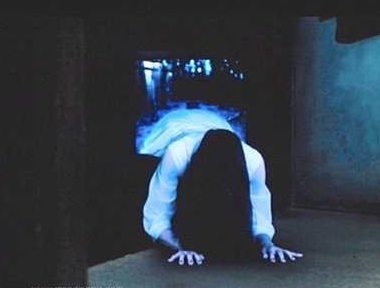 This character can vary in several forms in terms of its appearance. They can be a psychotic killer, an abnormal, intelligent creature, a human with supernatural qualities, a ghost, vampire, zombie, werewolf etc. If the evil character is a human, they usually were masks to cover their identity as well as separating them from other human characters. This specific character usually has abnormal traits such as having inhuman strength when encountering stabbings or falling from large heights, sometimes the evil character has a mysterious, unknown feeling to them, sometimes to an extent where they do not show much trace of their existence. They're usually first revealed with low-key lighting and intense non-digetic music.
Non-believer
This character is typically aggressive in their explaining of why they do not believe the evidence given of the evil character's existence. They usually focus on not helping the other characters in their investigation and are the most shocked when they find out they were wrong. Their over confidence usually results in them getting killed or kidnapped. This results in a triggering of mass-killings of the other characters after the non-believer's death demonstrates that no one is safe, removing the sense of security an audience may have had.

A Panicking Character
This character is usually the loudest of the group and their fear is usually worsened when they witness the victim's death. This usually results in them making rash, unintelligent decisions that result in their death. The audience would feel sympathetic for the character but at the same time, relieved that they are no longer there to inject fear into the rest of the group.
Saturday, 25 March 2017
Friday, 24 March 2017
Analysis of the first 15 minutes of 'Would You Rather'.
Analysis of the first 15 minutes of Would You Rather
 In the first scene of Would You Rather, Iris, played by Brittany Snow, the blonde woman, is having an interview with a man who appears to have a fairly high role in some kind of restaurant. She reveals that she moved back because of 'an accident' and she has to 'look after her brother'. Therefore, this demonstrates that this was a serious accident that she has had to move from a long distance to help out, as a result. This shows that she is desperate for the job because it will be to look after her brother. Little detail is revealed about the subject as it is a sensitive topic she doesn't want to talk about. When she is being interviewed, the restaurant is empty, with the chairs up, meaning that it is closed. This would mean that these hours that she is currently in the restaurant are either quite late/early, which could represent her great work ethic to try and provide for her brother,despite the awkward times she has to adapt to, in order to receive this interview. Furthermore, the interviewers face is not revealed, this focuses completely on Iris throughout the clip, which could represent her isolation in having to help her brother as it is later revealed their parents died, showing she has no support in what she is doing.
 When the title is being shown, the camera dashes rapidly through, what appears to look like neurons. Neurons are what allow us to think of and process information, this could suggest that the film takes alot of thought and requires intelligence to get through up coming events. Linking to the previous statement of the interviewer "you are pretty smart" could suggest that Iris is the person,who will have to make smart decisions.
 In the next scene, Iris, despite her difficult situation, helps an old, disabled woman through the door, by holding it open and pushing her wheel chair through. This represents Iris as a person as she always looks out for others no matter what, as she gets a 'thankyou' from the woman she helps. This could demonstrate her current life,as she only receives basic rewards through her hard work to help others. This is to show her tough, current life as it seems to be endless. This is further demonstrated as basic non-diegetic music plays in the background, a sound bridge proceeds to link these clips together which shows that this is the constant battle Iris faces everyday as she struggles to make ends meet.

 When she enters the scene with the doctor and Shepard, Shepard is instantly shown to have a level of carelessness as he appears to have his feet up and some kind of nutshells next to his on the sofa. This shows that he is ignoring the fact that this is a formal meeting between Iris, the doctor and himself. Whilst speaking, he eats in between his words and continues to speak whilst he has food in his mouth, this shows ignorance as he doesn't show that he is bothered that he is being impolite. This could mean that he is quite powerful and therefore isn't used to people saying what they think about his actions, as a result, he proceeds to do what he feels like doing.
In terms of the doctor, he is demonstrated to be a nice person as he is shown to be polite and well presented. From this, you can tell that Iris trusts the doctor as she asks about Shepard's legitimacy with the Would You Rather dinner party he is offering to her. This is because he claims that the winner gets all expenses paid for whilst the losers 'just don't win'. Therefore this shows that she has faith in his decision-making when it comes to trusting Shepard or not.
 When Iris asks this question, the doctor tells her about how he was saved by Sheperd as he 'was in debt and would have lost everything if it wasn't for Shepard's help.' They both proceed to stand and Shepard puts his arm on the doctor as they show a friendly, genuine bond between them. This establishes how they have become good friends due to the Would You Rather dinner party. But at the same time, this could show intimidation as it could possibly be a subtle hint that Iris doesn't understand. Through Mise en Scene, they both become physically higher than Iris which could demonstrate their over-powering of Iris's decision making. At the same time, the lighting makes them appear darker which could foreshadow the problems that they are causing by convincing Iris that it is a good idea.
 Towards the end of the 15 minutes, Iris is picked up by a suited man in a car. He says nothing and makes very little gestures, this is to inject a sense of mystery into the audience as he proceeds to drive and make very little expression. The only significant actions he makes are when he glares at her when she is asleep in the car and when she is looking in a different direction. Through dramatic irony of the looks that he gives Iris, gives a suspicious twist on what may be more than a simple dinner party. This is further shown when the bald, suited man directs her to the room of guests as he addresses her by saying 'This is guest number eight' which devalues her to an extent as she isn't introduced by her name as he leaves with a creepy smile. It is later revealed that all guests were introduced this way, showing that they are not valued, even by the employees of Shepard which foreshadows an unsuspecting outcome for the guests.

 In the first scene of Would You Rather, Iris, played by Brittany Snow, the blonde woman, is having an interview with a man who appears to have a fairly high role in some kind of restaurant. She reveals that she moved back because of 'an accident' and she has to 'look after her brother'. Therefore, this demonstrates that this was a serious accident that she has had to move from a long distance to help out, as a result. This shows that she is desperate for the job because it will be to look after her brother. Little detail is revealed about the subject as it is a sensitive topic she doesn't want to talk about. When she is being interviewed, the restaurant is empty, with the chairs up, meaning that it is closed. This would mean that these hours that she is currently in the restaurant are either quite late/early, which could represent her great work ethic to try and provide for her brother,despite the awkward times she has to adapt to, in order to receive this interview. Furthermore, the interviewers face is not revealed, this focuses completely on Iris throughout the clip, which could represent her isolation in having to help her brother as it is later revealed their parents died, showing she has no support in what she is doing.
 When the title is being shown, the camera dashes rapidly through, what appears to look like neurons. Neurons are what allow us to think of and process information, this could suggest that the film takes alot of thought and requires intelligence to get through up coming events. Linking to the previous statement of the interviewer "you are pretty smart" could suggest that Iris is the person,who will have to make smart decisions.

 When she enters the scene with the doctor and Shepard, Shepard is instantly shown to have a level of carelessness as he appears to have his feet up and some kind of nutshells next to his on the sofa. This shows that he is ignoring the fact that this is a formal meeting between Iris, the doctor and himself. Whilst speaking, he eats in between his words and continues to speak whilst he has food in his mouth, this shows ignorance as he doesn't show that he is bothered that he is being impolite. This could mean that he is quite powerful and therefore isn't used to people saying what they think about his actions, as a result, he proceeds to do what he feels like doing.
In terms of the doctor, he is demonstrated to be a nice person as he is shown to be polite and well presented. From this, you can tell that Iris trusts the doctor as she asks about Shepard's legitimacy with the Would You Rather dinner party he is offering to her. This is because he claims that the winner gets all expenses paid for whilst the losers 'just don't win'. Therefore this shows that she has faith in his decision-making when it comes to trusting Shepard or not.


Monday, 20 March 2017

Tuesday, 14 March 2017


Subscribe to:
Posts (Atom)